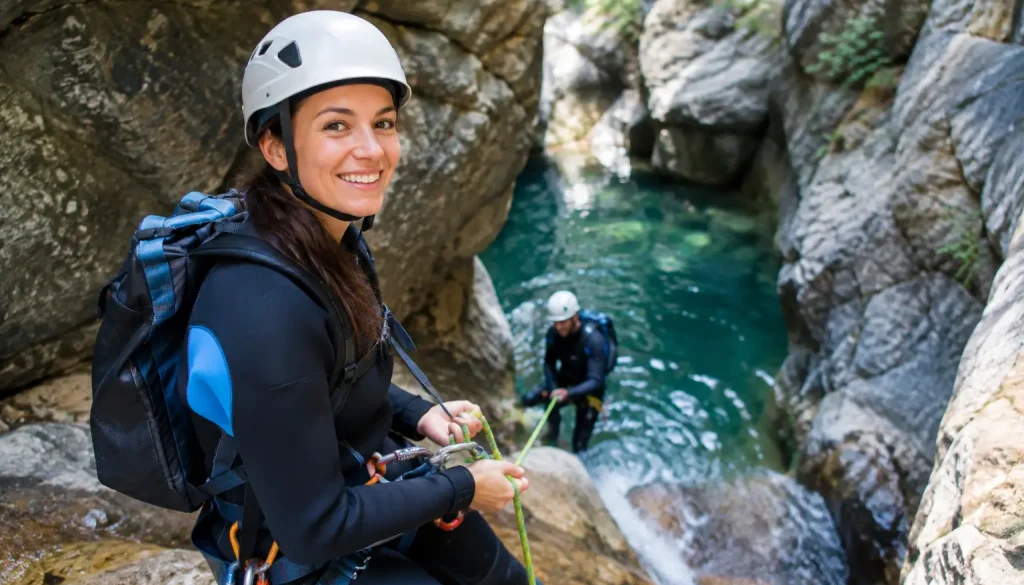
Can Beginners Try Canyoning? Costa del Sol Guide
A natural pool beneath limestone cliffs is a very different kind of Costa del Sol holiday memory. You may be wondering, can beginners try canyoning when the activity involves ropes, rock slides, jumps, and moving water? Yes – provided you choose a properly guided, entry-level canyon and are honest about your confidence in the water.
For many visitors, canyoning is the ideal break from beach clubs and pool days. It is active, social, wildly photogenic, and far more approachable than its adventurous reputation suggests. The key is not being fearless. It is choosing the route, season, and group setup that suit you.
Can Beginners Try Canyoning on the Costa del Sol?
Absolutely. Beginner canyoning trips are designed for people who have never worn a harness, clipped into a rope, or stepped into a river canyon before. A qualified guide explains every technique on site, manages the ropes, and chooses the safest line through each section.
That does not mean every canyon is a first-timer canyon. Some routes involve bigger rappels, colder water, sustained swimming, awkward scrambling, or jumps that cannot be bypassed. Others have a gentler pace, smaller obstacles, and alternatives for guests who would rather climb down than leap. When comparing experiences, “beginner-friendly” should mean more than a low fitness claim. It should mean there is a clear introduction, appropriate equipment, and a route with manageable decisions.
Around Málaga Province, canyoning typically takes place inland rather than beside the resorts. That is part of its appeal: within a drive of Marbella, Mijas, Fuengirola, Benalmádena, or Torremolinos, the landscape shifts from coastal promenades to mountain villages, gorges, and clear freshwater pools. Check the actual meeting point before booking. A trip may be practical from your hotel with a rental car or provider transfer, but it is rarely a walk from the beach.
What a First Canyoning Day Actually Looks Like
Expect an early-ish meeting time, especially in warmer months. Your guide will fit your helmet, wetsuit, harness, and specialized canyoning shoes or give clear guidance on footwear. The group then walks to the canyon entrance, often through scenic countryside that is worth enjoying before the action starts.
At the first obstacle, the pace slows down. Guides demonstrate how to sit into the harness for a controlled descent, where to place your feet, and how to listen for instructions. Your first rappel may feel intimidating for a minute. Then most people realize they are not expected to know what they are doing already. That is why the guide is there.
A typical beginner route may combine short rappels, natural slides, shallow wades, easy scrambling, and optional jumps into deep pools. The word “optional” matters. On a thoughtfully run beginner experience, there is often a non-jump alternative. Still, ask in advance rather than assuming every feature can be skipped.
Canyoning is not a race. Groups wait for one another, guides check each person at technical points, and there is plenty of laughing when somebody makes a cautious first step or lands with a bigger splash than planned. It works particularly well for couples and friend groups when not everyone wants the same level of adrenaline.
You do not need climbing experience
Canyoning uses ropes, but it is not rock climbing. You do not need to pull yourself up a cliff or arrive with knots memorized. The guide normally sets up the systems and tells you exactly what to do. Good balance and the willingness to follow directions matter more than technical credentials.
You should be comfortable around water
You do not need to be an elite swimmer for every beginner route, but you should be able to stay calm in water and follow safety instructions. Some canyons include short swims or floating sections. If water makes you panic, start with a land-based mountain activity, such as a guided quad or buggy tour, and build up from there.
The Fitness Question: What Is “Beginner” Really?
Beginner refers to experience, not necessarily to zero physical effort. Canyoning can involve walking over uneven ground, stepping across slippery rocks, climbing down small ledges, and using your legs to control a descent. You will get wet, and you may feel pleasantly tired afterward.
Most active vacationers with normal mobility can enjoy an introductory route. You do not need to be a gym regular, but you should be able to walk for a couple of hours and move confidently on rough terrain. If you have a knee, back, shoulder, heart, or balance condition, speak directly with the operator before reserving. The same applies to pregnancy and recent surgery. An honest conversation is much better than discovering midway through the canyon that a section is uncomfortable.
Height and age rules also vary. Some trips welcome adventurous older children when accompanied by adults; others set a higher minimum age due to water depth, harness sizing, or the route’s technical features. For a multigenerational group, do not book based only on the most confident person. Choose a route the least experienced willing participant can enjoy.
How to Pick the Right Beginner Canyoning Trip
A clear operator description should tell you the route’s difficulty, approximate duration, minimum age, swimming expectations, and whether jumps are optional. If those details are missing, ask before you commit. Costa del Sol vacation time is valuable, and the right activity should feel exciting rather than like an avoidable logistics problem.
Pay close attention to the meeting location and total time away from your resort. A four-hour canyon activity can become a full-day outing once you add driving, parking, changing, and the approach walk. From Marbella or Estepona, inland routes may require an earlier start than they would from Mijas or Málaga. From Torremolinos, Benalmádena, and Fuengirola, transfer options can also differ by operator and date.
Group size changes the feel of the day too. A small group often means more personal coaching and less waiting at each rope section. A private outing can be a smart choice for a family, bachelor or bachelorette group, or friends with mixed confidence levels. It gives the guide more room to adjust the pace, although it usually costs more per group than joining a scheduled departure.
When browsing local options through Adventure Spain, look past the headline thrill factor. Confirm where the activity starts, whether transportation is included or available, and what equipment is supplied. A stunning canyon is only a great holiday choice if getting there fits your plans.
What to Bring, and What to Leave Behind
Your operator should provide the safety gear needed for the route, but you will usually need swimwear and a towel. Bring water for before and after the canyon, sunscreen for the approach walk, and a snack if the outing runs long. Ask whether closed-toe sports shoes are suitable or whether canyoning shoes are supplied.
Leave jewelry, valuables, and loose items at your accommodation or in a secure vehicle. Phones and cameras are easily lost in water or on rocks. If you want photos, use an approved waterproof setup with a secure attachment, or ask whether the guide takes group images. The best first canyoning day is one where you are present for the jump, not worried about your phone at the bottom of a pool.
Weather, Water Levels, and the Best Time to Go
Spring and early summer can be excellent for canyoning because water levels are often more satisfying and the surrounding landscape feels greener. Summer brings reliably warm air, which is welcome when you are getting in and out of freshwater pools. It can also bring heat, so an early departure and plenty of hydration make a real difference.
Conditions can change quickly after rain. A responsible operator may alter the route, postpone the outing, or cancel if water flow makes the canyon unsafe. That is not a disappointing technicality – it is a sign that the operator is putting safety ahead of a schedule. Build a little flexibility into your vacation itinerary, especially if canyoning is high on your list.
A Better Mindset for Your First Descent
You do not have to jump the highest drop, pose like an action hero, or keep pace with the loudest person in your group. A good beginner canyoneer listens, communicates clearly, and says when they need a moment. Confidence tends to arrive obstacle by obstacle.
Book a true entry-level route, wear the gear properly, and let the guides lead. By the time you emerge from the gorge, tired and smiling with mountain water still on your skin, you may find that your Costa del Sol holiday has gained its most memorable story.